
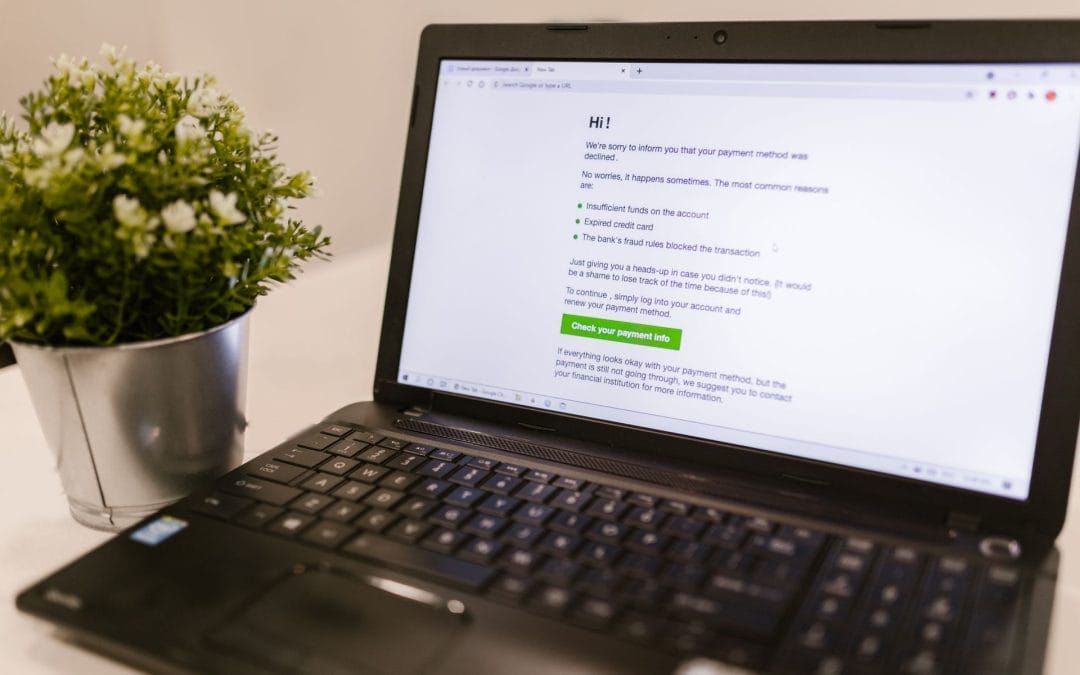
In the modern workplace, internal communications face a quiet crisis. Emails pile up, inboxes become black holes, and critical messages such as policy updates, leadership announcements, compliance reminders, or urgent security alerts, go unread. Employees drown in noise while leaders wonder why alignment feels elusive. Desktop notification and subliminal communication is the answer.
The data paints a stark picture. Studies show that 62% of emails employees receive are not important, and it takes more than a minute to recover focus after each interruption. Average internal email open rates hover around 66-73%, dropping further for large-scale sends, with click-through rates often in the single digits. Meanwhile, email fatigue contributes to disengagement, with surveys linking it to higher quit rates, up to 38% of workers citing it as a factor.
Desktop notifications, by contrast, cut through this clutter. They deliver high-visibility, real-time reach without relying on users actively checking inboxes. Push-style alerts and desktop pop-ups achieve significantly higher engagement, with some platforms reporting boosts in app usage and message visibility far beyond email.
The Problem of Email’s Hidden Costs & Desktop Notifications As The Solution
Leaders worldwide recognize the issue. Bruce Daisley has highlighted how most internal communication registers as noise, with 71% of workers skipping company-wide strategy emails. Gallup data underscores the broader impact: low engagement costs economies billions in lost productivity, with only 31% of U.S. employees feeling engaged in recent reports.
On platforms like Reddit and Quora, professionals echo these frustrations. IT and comms teams discuss how emails get buried, leading to missed updates and repeated clarifications. Many seek alternatives like desktop alerts or multi-channel tools for guaranteed reach, especially for urgent or compliance-related items.
The World Economic Forum’s 2026 Global Cybersecurity Outlook amplifies the urgency. Cyber-enabled fraud tops CEO concerns, with 73% of leaders or their networks personally affected. Phishing and spoofing thrive in email-heavy environments, underscoring the need for verified, high-visibility channels.
This creates an “information black hole” where even well-intentioned messages fail to land, eroding trust, compliance, and culture.
Why Desktop Notifications Deliver Superior Results
Desktop notifications operate in the environment where work happens on the screen itself. They appear as pop-ups, lock screens, screensavers, or tickers, ensuring visibility without inbox dependency. Unlike emails, which employees can ignore or filter, these create ambient, guaranteed exposure.
- Real-world advantages include:
- Higher visibility and response: Pop-ups and pushes demand attention and support acknowledgments, surveys, or direct links.
- Reduced fatigue: Targeted, relevant delivery minimizes overload.
- Measurable impact: Track opens, interactions, and compliance.
- Security and compliance: Verified channels counter spoofing risks highlighted by WEF.
- Leaders in communications emphasize shifting from permission-based (email) to environment-based delivery for true alignment.
Problem vs. Solution: Corporate Voice Modules
Corporate Voice transforms passive screens into active communication assets. Below is a comparison grid, informed by common pain points from industry discussions (email overload, low engagement, compliance gaps) and how specific modules provide targeted solutions for guaranteed reach and engagement.

This structured approach moves beyond tactics to operational infrastructure, creating an environment of ambient alignment rather than chasing opens.
Conclusion: The Path to Better Engagement and Communication
Desktop notifications outperform email for internal communications by providing immediate, unavoidable visibility, reducing fatigue, enabling measurement, and supporting compliance in an era of heightened cyber risks. They foster confidence over anxiety, ensuring messages reach everyone without adding to the notification overload.
Corporate Voice delivers this through a suite of interconnected modules:
- Pop-up Alerts grab immediate attention for time-sensitive items, driving action and acknowledgments that boost engagement and accountability.
- Screensavers leverage idle time for repetitive, subliminal reinforcement, keeping campaigns and values top-of-mind across the organization.
- Lock Screens maximize every login and security pause as a high-visibility touchpoint, enhancing retention for critical updates.
- Surveys, Quizzes, and RSVPs transform one-way broadcasts into interactive dialogues, increasing participation and valuable feedback.
- Ticker Tape, RSS, and Digital Displays maintain ongoing awareness without disruption, supporting real-time culture and information flow.
- Compliance tools provide auditable proof of delivery, mitigating risks and building trust.
By implementing these, organizations move from fragmented email efforts to a sovereign, guaranteed-reach system. The result is higher employee engagement, stronger alignment, reduced productivity loss, and a calmer, more informed workforce. South African and global leaders seeking operational precision should evaluate such infrastructure – starting with a demonstration of how ambient, desktop-first communication changes outcomes.
Visit www.corporatevoice.co.za to explore how these modules can work for your organization. The inbox is no longer enough; the screen itself must speak.
Also read: