Guaranteed reach is a very real target metric. Here’s why.
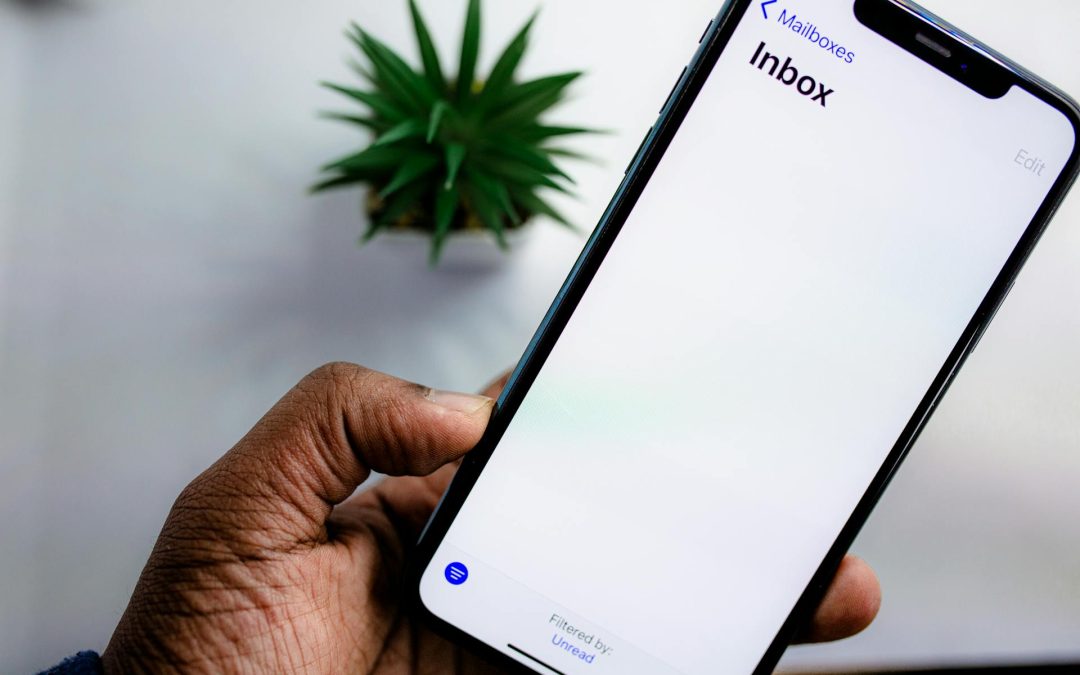
You’ve spent hours perfecting the quarterly update to. You’ve polished the prose, embedded the high-resolution graphics, and carefully attached the company news PDF. You hit “send” to 500 employees. Then, you wait. By the end of the day, your analytics tool shows a disheartening 22% open rate. This is the “Unread PDF” trap, and it is the primary reason internal communication is failing in the modern enterprise. In the time it took you to write that email, your employees archived dozens of others in a split second. We have reached a breaking point where employee engagement cannot be bought with better subject lines. To survive 2026, HR leaders must shift from “permission-based” messaging to guaranteed reach.
Let’s talk ‘guaranteed reach’
The Myth of Engagement: Why Clicks are Vanity Metrics
For years, the industry has obsessed over “Engagement.” We track clicks, likes, and “reads” as if we are running a social media campaign. But here is the cold truth: Engagement is a vanity metric when it comes to critical workforce alignment. If you are broadcasting a mandatory safety protocol or a change in health benefits, you don’t need a “like”—you need an informed employee.
When you rely on “opt-in” engagement, you are essentially asking your employees for permission to be heard. In a world of notification fatigue, that permission is increasingly denied. As one frustrated manager on Reddit noted, “Email is where information goes to die.” If your internal communication strategy relies on a distracted employee deciding to click a link, your strategy is built on hope, not infrastructure. Real success isn’t measured by who clicked; it’s measured by who saw.
The Architecture of Visual Dominance
To bypass the noise, you must occupy the digital real estate that employees look at for eight hours a day. This is the concept of “Visual Dominance.” By utilizing Corporate Voice modules like Branded Wallpapers and Desktop Pop-up Alerts, you move your message out of the crowded inbox and into the physical environment of the workstation.
The psychology is simple: you are removing the “Permission Barrier.” When a critical update is delivered via a Desktop Ticker Tape, the employee doesn’t have to navigate away from their work, log into a company intranet, or open a new tab. The information is simply there.
Consider a “Health Benefits Update.”
-
The Old Way: An email sent at 10:00 AM. It’s buried by 10:05 AM. Three weeks later, HR is flooded with 50 identical questions because “nobody saw the email.”
-
The Corporate Voice Way: A subtle, scrolling Ticker Tape or a Corporate Screensaver highlight. The employee sees the deadline 15 times a day passively. The “reach” isn’t just 100%; it’s repetitive and reinforced.
Breaking the “Opt-In” Cycle and Choice Fatigue
We are currently suffering from a global crisis of “Choice Fatigue.” Every time a notification pings, an employee has to make a micro-decision: Do I click this now, or do I stay focused on my task? Usually, they stay focused, and your message is forgotten.
By making the message part of the desktop environment through internal communications software, you remove the friction of the “click.” You aren’t adding to their to-do list; you are providing ambient communication. This is the shift from “Active Consumption” to “Passive Osmosis.” When the company goals are the literal wallpaper of the office, you aren’t begging for attention; you are setting the atmosphere for the entire corporate culture.
The ROI of Being Unignorable
What is the actual cost of being ignored? Industry data suggests that the average manager spends hours every week re-explaining information that was already “communicated.” As a Quora user accurately observed, “The amount of time wasted re-explaining things because people ‘didn’t see the email’ is probably costing us thousands a month.”
When you achieve guaranteed reach, you eliminate the “I didn’t see it” excuse. This creates a “Safety Net” for your organization. You reduce the risk of compliance failures, decrease the burden on your support staff, and ensure that your internal marketing efforts actually yield a return on the time invested in creating them.
Conclusion: From Sender to Broadcaster
In 2026, the roles have changed. You are no longer just a “sender” of messages; you are a “broadcaster” of the corporate reality. To lead effectively, you must own the digital space your employees inhabit. Stop hoping for an open rate and start demanding visual impressions.
It’s time to stop shouting into the void and start reclaiming the screen.
Book a Free Demo of Corporate Voice and see how we can help you achieve 100% reach today. Our tiered pricing ensures you only pay for what you choose to use.
Internal Communications FAQ
Q: Will desktop pop-ups alerts frustrate my employees?
A: Not if used correctly. Corporate Voice allows you to categorize messages. Use Desktop Pop-up Alerts only for “must-know” critical info, and use Corporate Wallpapers or Ticker Tapes for passive, non-intrusive updates.
Q: How does this differ from tools like Slack or Microsoft Teams?
A: Slack and Teams are for conversation and collaboration. They contribute to noise. Corporate Voice is for broadcast and alignment. We ensure that even if they mute their chat apps, the most vital company information is still unmissable.
Q: Can we target specific departments with different messages?
A: Yes. Our internal communication tools allow for granular targeting. You can send safety alerts to the factory floor’s Digital Display Screens while sending executive updates to the head office’s Branded Wallpapers.